

"Science and action are the key to biodiversity conservation"
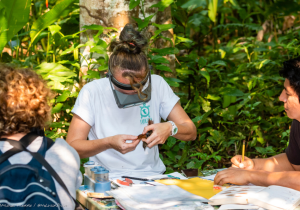
Hands-on collaboration for Amazonian conservation! Be part of the Taricaya team for a day.
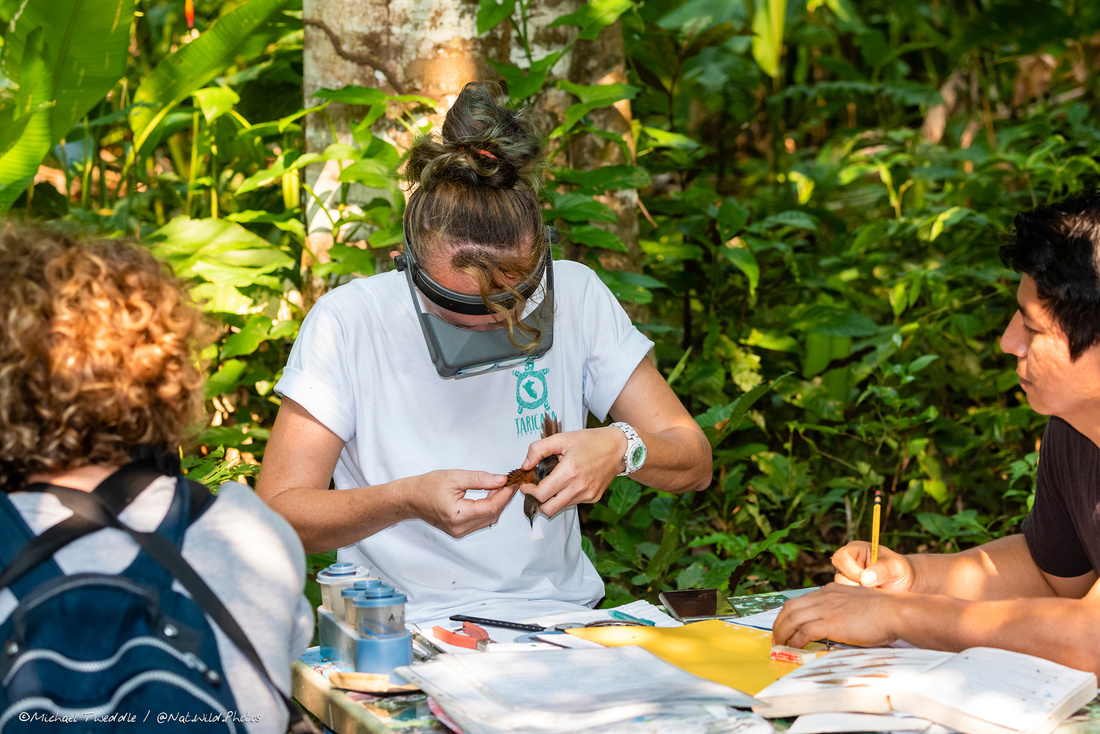
Live a life-changing experience participating directly in their projects under the direction of the professionals and specialists of Taricaya Ecoreserve.
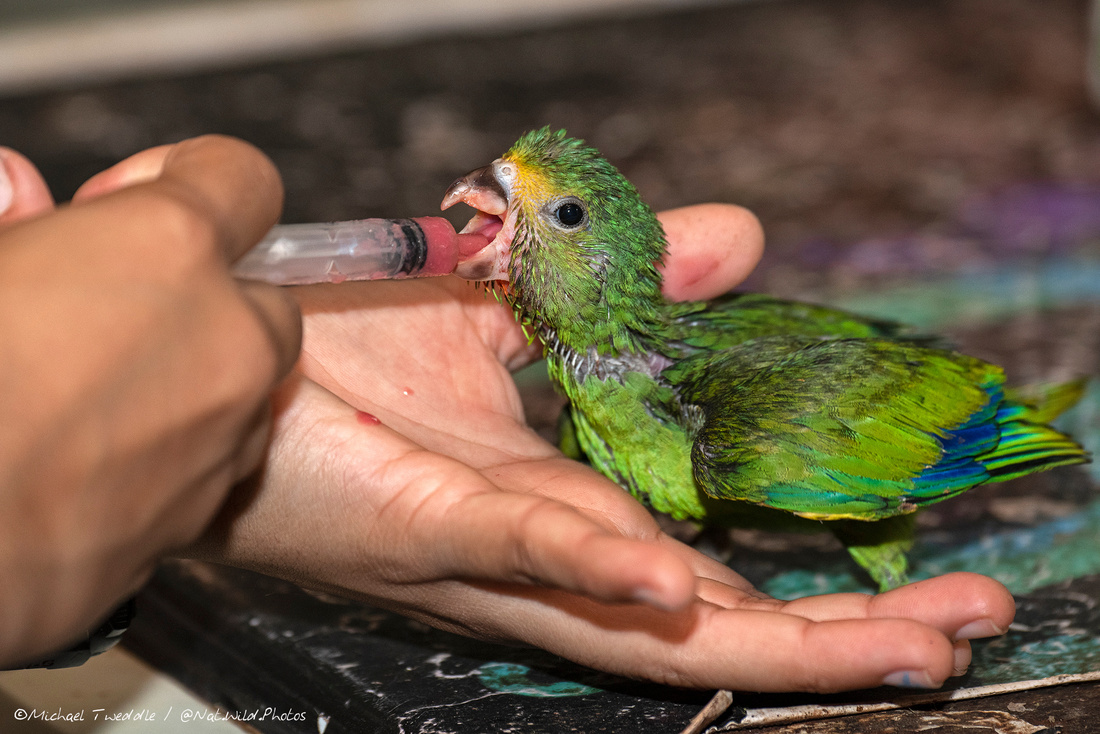
"Wild animals are not pets and it is our responsibility to save and help those who were ripped from their homes, to return to where they belong, to nature."
Take a 20-minute walk from the Lodge through the forest to visit the Taricaya Rescue Center. We will get a close look at the different animals staying there and the work that Taricaya has carried out since 2008 in favor of the rescue, rehabilitation, release, and reintroduction of fauna in the area.
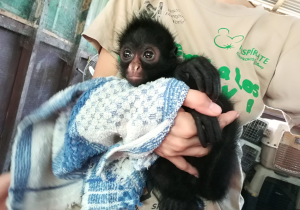
Meet the different wild animals—victims of trafficking or petting—rescued by local authorities and brought to Taricaya for a second chance to live free in the wild. Most animals are in rehab programs for release when they are ready, while some remain as residents as they are no longer able to be independent.
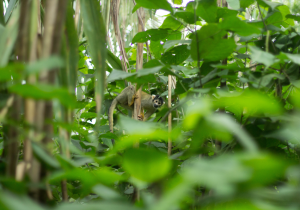
See the spider, howler, and night monkeys, macaws, parrots, and toucans, Dominga and Sabina (the spectacled bears), a jaguar, an otter, and other species cared for by the professional staff, interns, and volunteers. For those who cannot return to the forest, we ensure they are given the best quality of life in captivity.
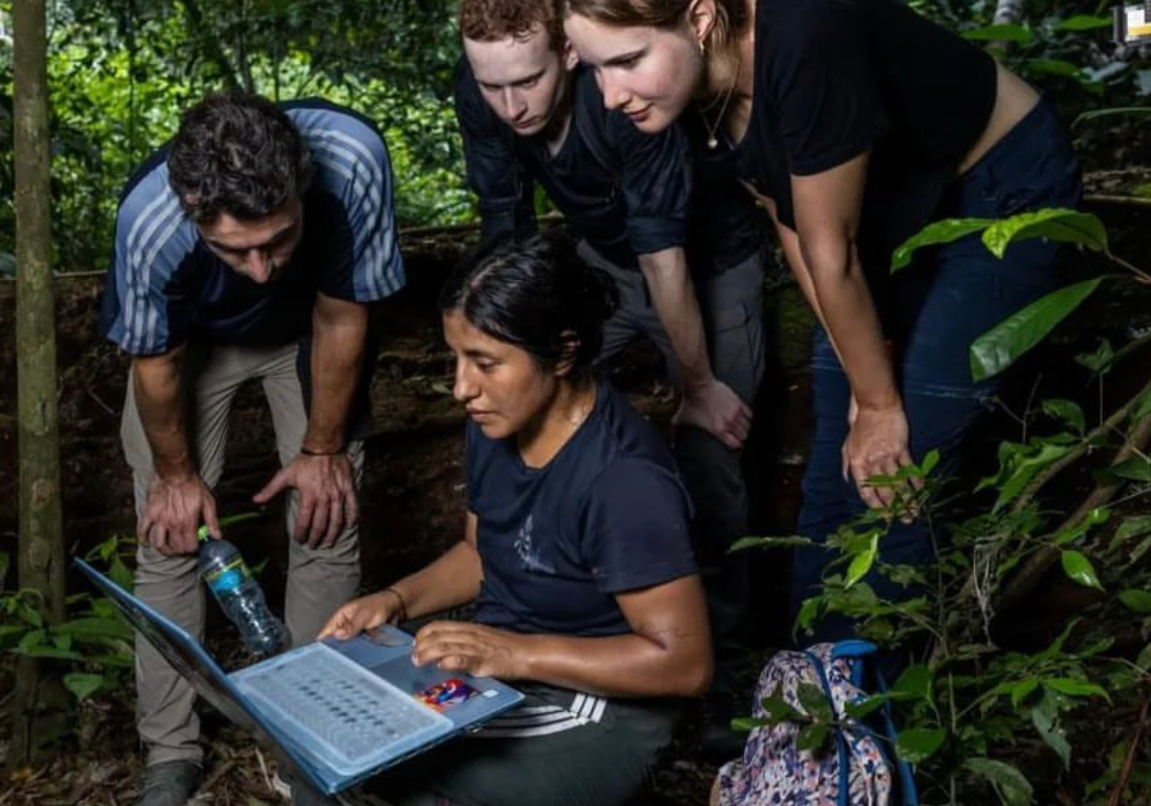
"Nature is a school and its knowledge must be learned and shared."
Participate in evening lectures while you rest from a day of exploration. With a variety of topics, you will learn more deeply about this wonderful Amazon ecosystem, our research and conservation actions in the area, and our relationship with nature.
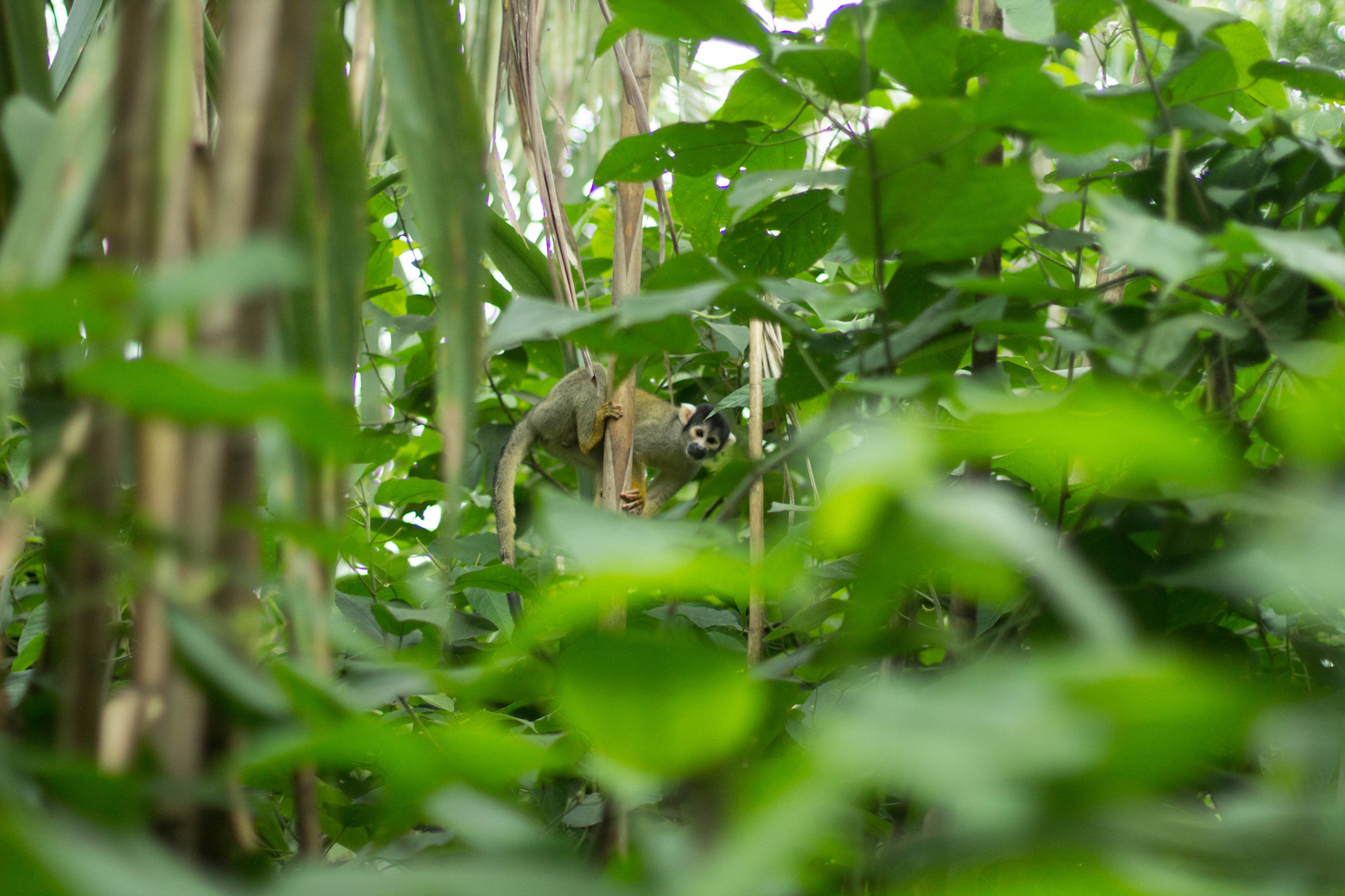
"Help people manage their lands efficiently, achieve sustainable agriculture and regenerate the Amazon rainforest"
We will make an excursion through the forest until we reach the agroforestry farm at Taricaya to see the established mahogany plantation, which grew in combination with tropical flowers (heliconias, emperor's staff, etc.) and fruits (cocoa, coffee, pineapple, coconut, star fruit, lemon, etc.).
We will visit the mahogany workshop and the different works of art made with this precious wood cut from the farm in the short term, an example of an alternative economic activity to be developed by local families.
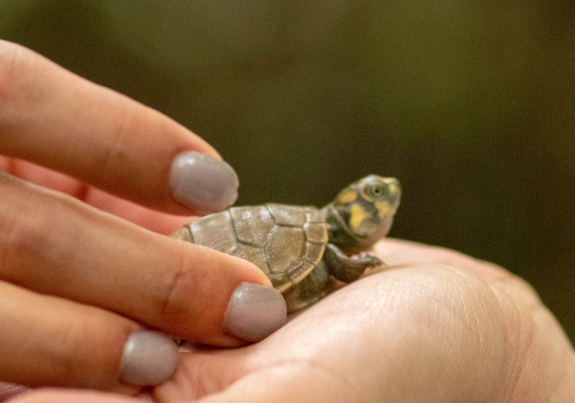
"Collect, plant and release: preventing the disappearance of taricaya turtles from the Bajo Madre de Dios River"
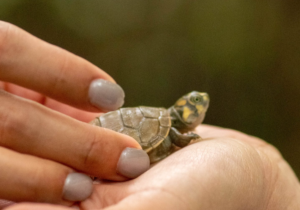
We visit the facilities of Taricaya research center, including common areas where staff and volunteers live as a community. We will see the artificial beach of the river turtle repopulation project, a species in danger of extinction due to human activities.
The nests are collected from nature and planted for protection (July/August), and the eggs hatch (October-November). Once all the baby turtles are born, we release them.
Be part of the Taricaya Turtle release: On November 5th, 2026, we celebrate the 25th anniversary of Taricaya Ecoreserve with this amazing nature event. Join us to travel upriver for 15 minutes to Isla Playa Alta and release the baby turtles into the river.
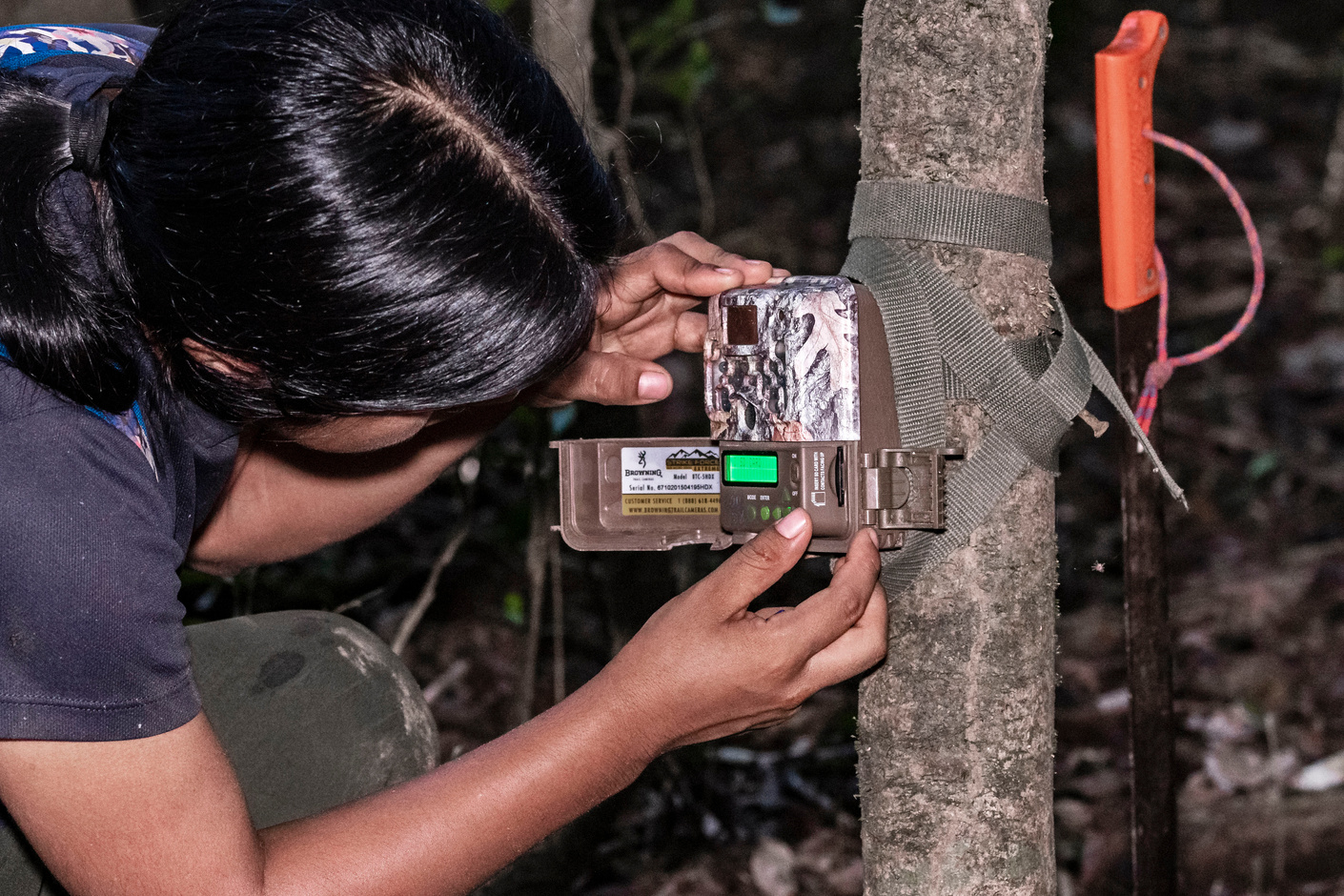
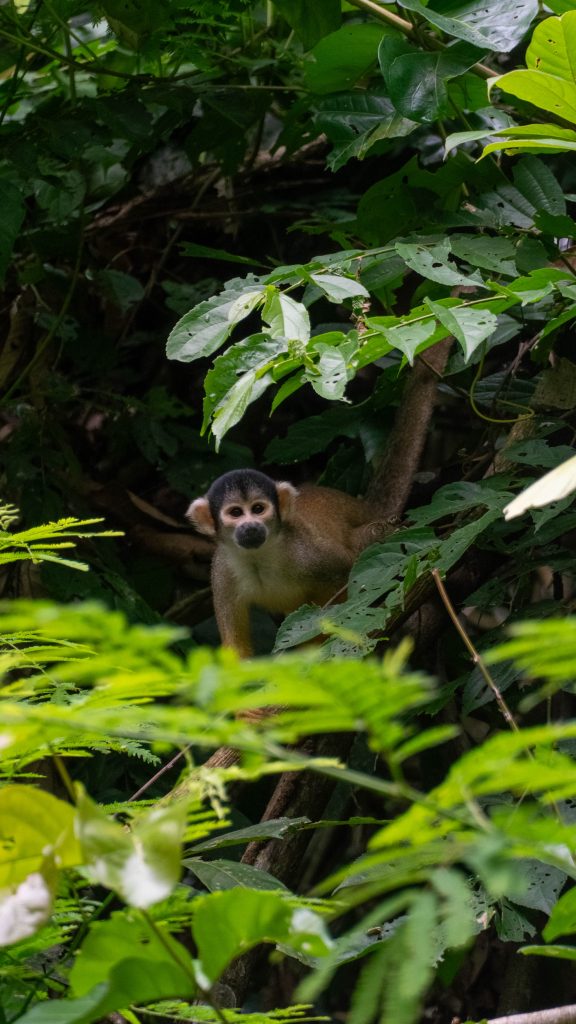
"An entire world of animals can be discovered as a spy hidden in the wild."
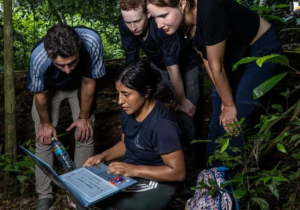
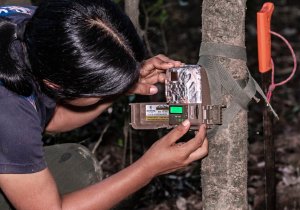
Discover the most conspicuous animals in the jungle by participating in our wildlife monitoring activity with camera traps.
Join our staff on an excursion through the forest to collect camera data. Back at the Lodge, we review the images to observe the animals—especially mammals—that the camera captured.
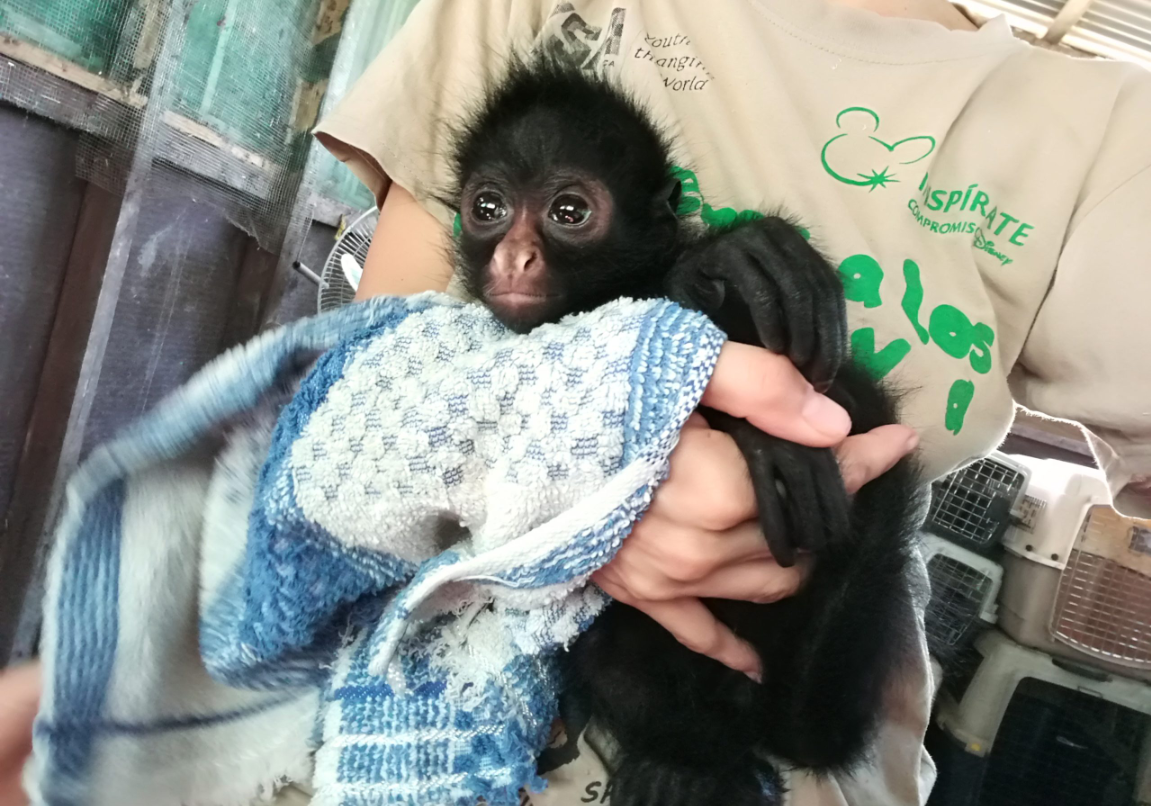
"You can measure the value of your own soul in the grateful look that an animal you have helped gives you."
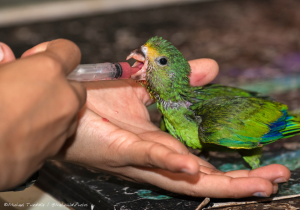
ANIMAL FEEDING EXPERIENCE AT TARICAYA! Participate directly in this important work at the rescue center.
Assist professionals (biologists, veterinarians, interns) and volunteers in preparing the diets, distributing food, cleaning and caring for the sheltered animals. Learn about each animal's program and wildlife management techniques.
If there are babies, help in the husbandry area to take care of them and give them their food or milk if applicable.